Category: Union Dale Cemetery

  • Columbarium, Union Dale Cemetery

    Columbarium

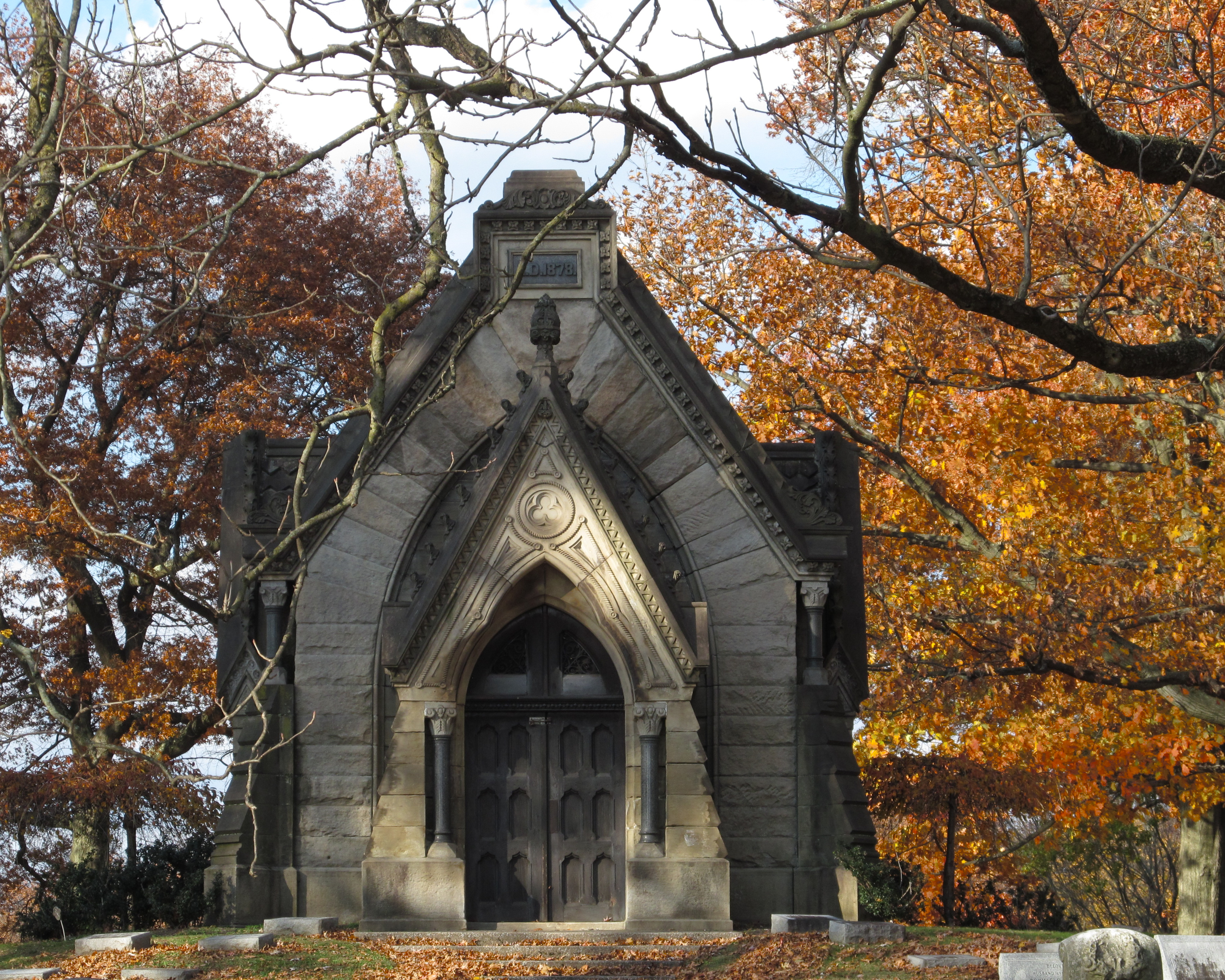
    Built in 1878, this was originally the receiving vault for the cemetery: if you died in the winter when it was impossible to dig, you would rest here until spring. Now it is a columbarium, a place where cremated remains are kept. It is a masterpiece of Victorian Gothic architecture.

    Strange as it seems, old Pa Pitt has never published pictures of this building before, although he has been accumulating them for years.
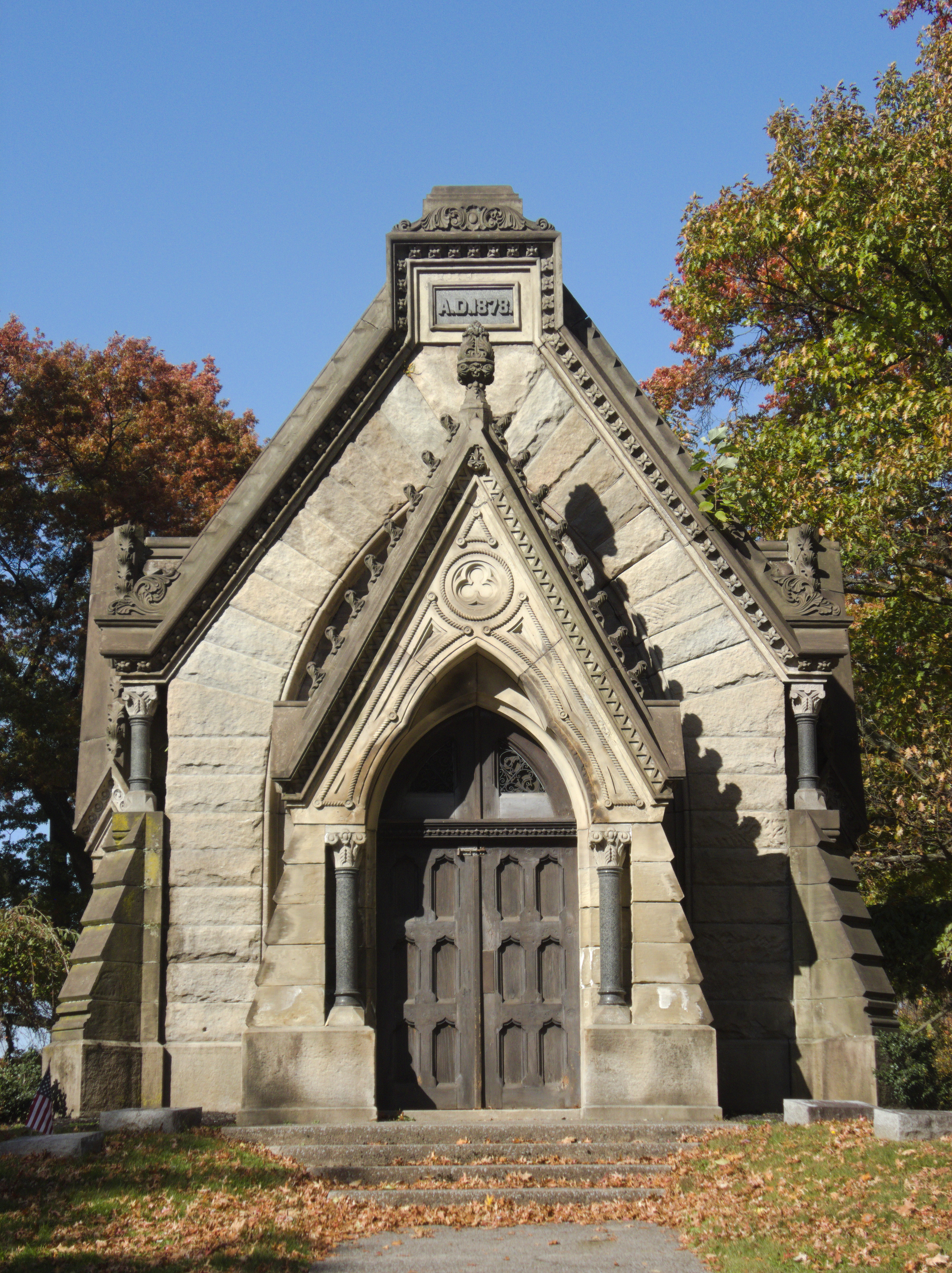
    Columbarium
    Date stone: 1878
    Ornamental detail
    Capital
    Columbarium
    Side view

    The pictures below are from November of 2021.
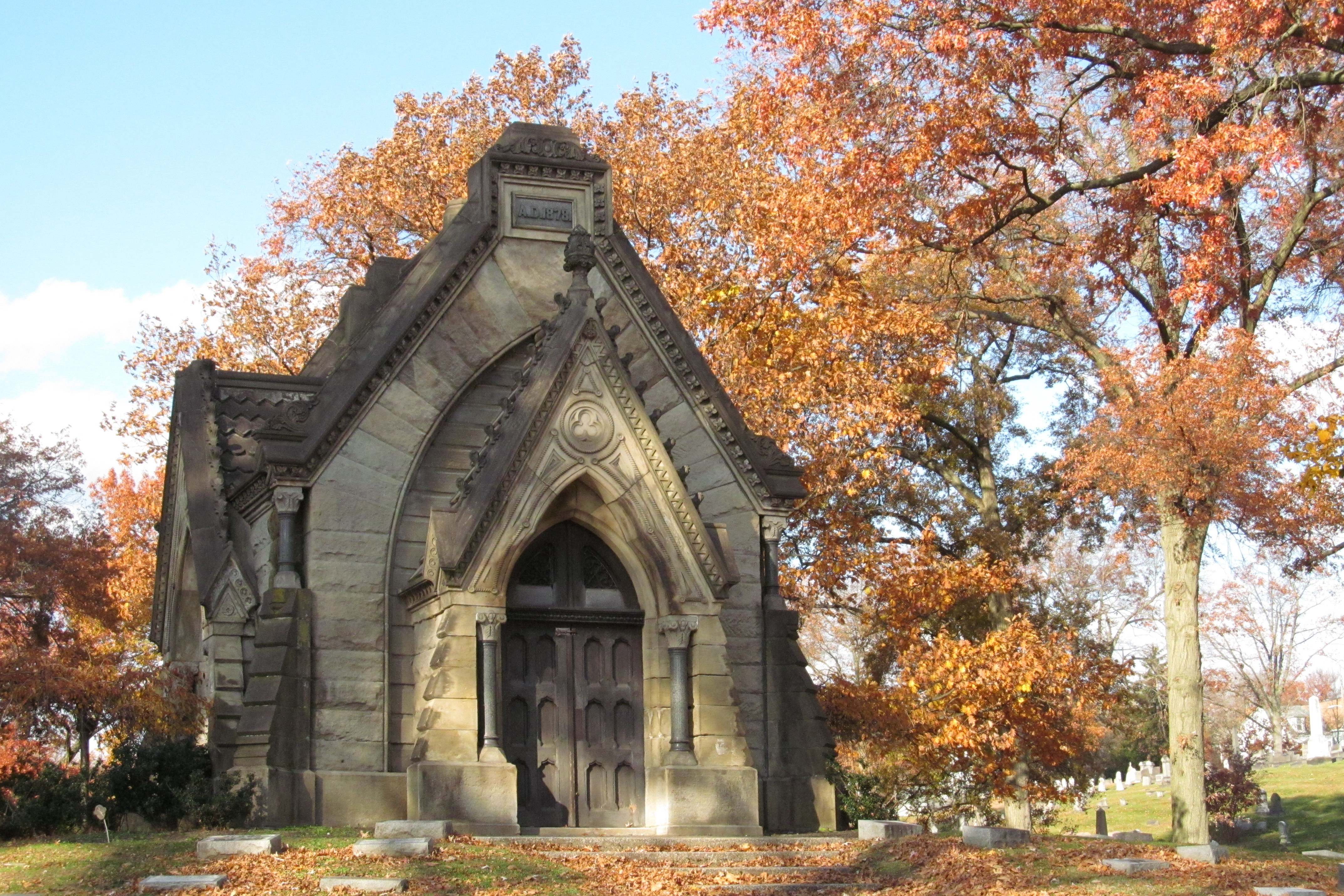
    Columbarium in November
    Columbarium
    Columbarium
  • Shanor Column, Union Dale Cemetery

    Shanor column

    An odd mixture of styles: the base is a sort of medieval-classical fantasy, from which sprouts a column with an Egyptian-style lotus capital, and on that stands an allegorical figure of Hope.

    Hope
  • Duncan Mausoleum from the Side

    Duncan mausoleum

    From any angle the Duncan mausoleum is impressive. There is nothing like it anywhere else in Pittsburgh—or, as far as old Pa Pitt knows, in the world. The architect was Theophilus P. Chandler Jr., the Philadelphia tastemaker who also designed First Presbyterian downtown and Third Presbyterian at Fifth and Negley in Shadyside. He seems to have been proud of this mausoleum: if you go looking for it on line, you will turn up Father Pitt’s pictures (of course), and then a large number of prints and postcards from the time the mausoleum was built.

  • Kelley Monument, Union Dale Cemetery

    Statue on the Kelley monument

    Flower-dropping mourners are very common in our cemeteries, but this one is made of bronze and unusually fine.

    Kelley monument
  • Andrews Mausoleum, Union Dale Cemetery

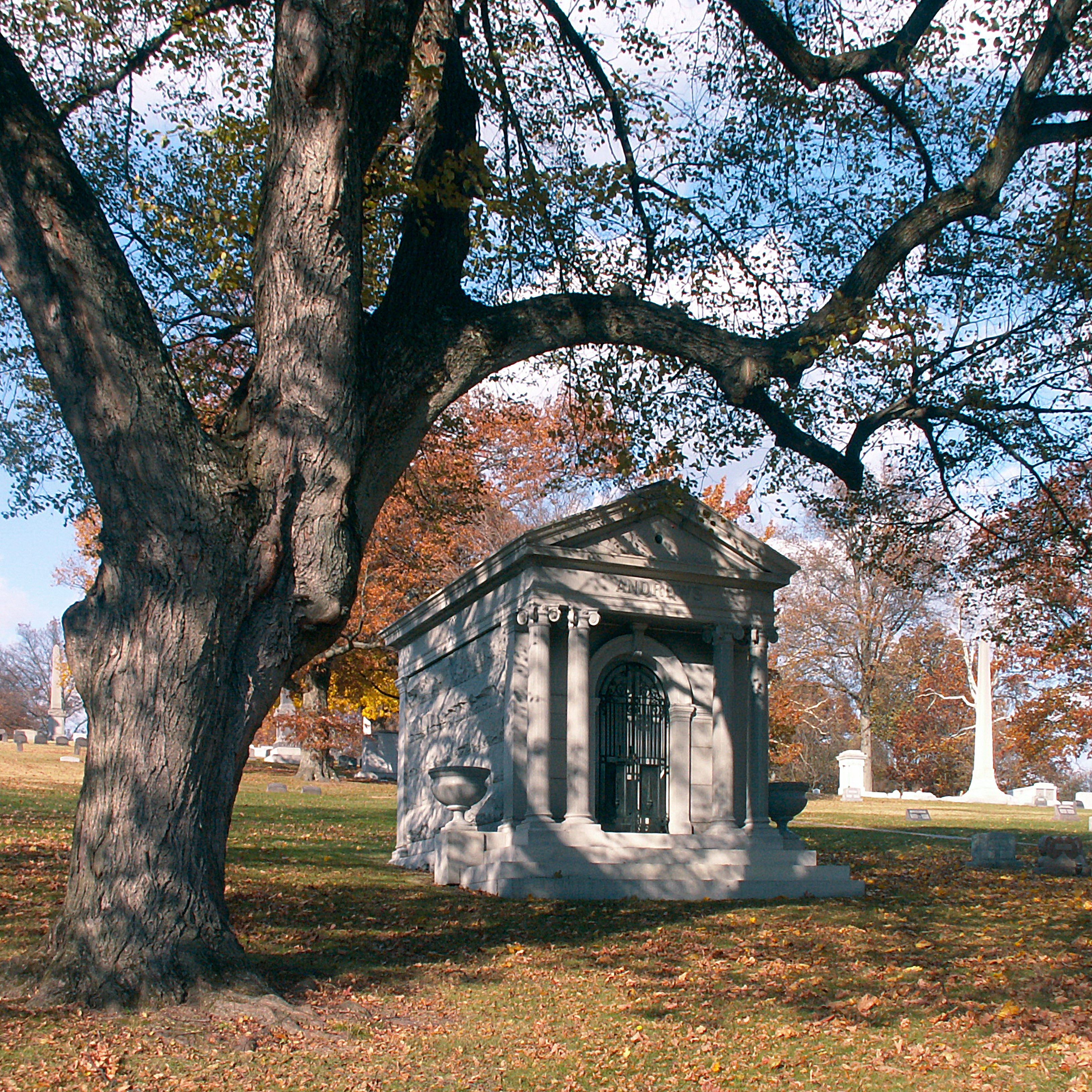
    Andrews mausoleum

    A richly detailed example of Renaissance classicism, with rusticated blocks, arched entrance, “modern Ionic” columns (that is, Ionic columns with volutes at the four corners of the capitals), and flanking urns.